All Saints in Málaga: Buñuelos de Viento, Huesos de Santo and the Cemetery Tradition
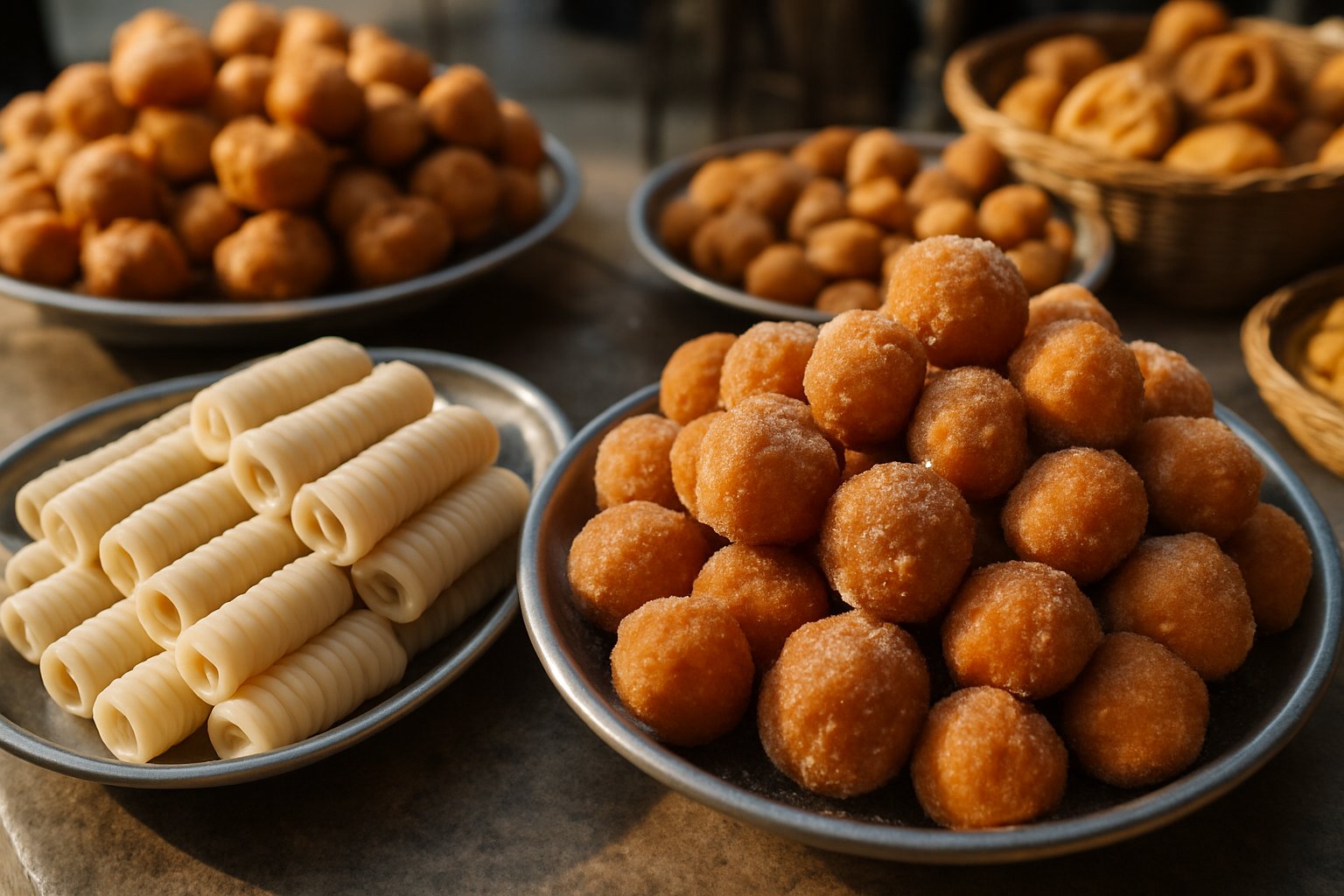
Each autumn, Málaga's pastry counters fill with cream-filled buñuelos and marzipan huesos de santo, and families head to the cemeteries with flowers. Here is what to taste, what the custom means and how the 2026 holiday works.
The holiday dates for 2026
All Saints' Day (Día de Todos los Santos) is 1 November. In 2026 that date falls on a Sunday, so Andalucía moves the public holiday to Monday 2 November 2026. It is one of the region's 12 official holidays this year. Constitution Day follows the same pattern and moves to Monday 7 December.
In practice, this gives Málaga a long weekend from Saturday 31 October to Monday 2 November. The days around 1 and 2 November are traditionally set aside for remembering the dead.
Expect most offices to close on the Monday. Cemeteries and florists will be at their busiest across the whole weekend.
The sweets of the season
Pastry shops in Málaga start stocking the All Saints sweets in late October. Most stop selling them soon after the holiday, so the window is short. Two sweets are the classics. You will find them in traditional confiterías and neighbourhood bakeries, and often in supermarket bakery sections too.
Buñuelos de viento
The name means "wind fritters", which describes them well. Each one is a small ball of choux-style dough, fried until it puffs up and turns golden, so it ends up hollow and light.
The plain version is simply dusted with sugar. Most bakeries also fill them, usually with:
- Crema pastelera (custard), the most common filling
- Nata (whipped cream)
- Chocolate or chocolate cream
- Cabello de ángel, a sweet threaded squash preserve, in more traditional shops
Buñuelos are best eaten the day you buy them, before the shell softens. Bakeries usually sell them by weight or by the piece. A small paper tray of mixed fillings makes an easy way to try a few.
Huesos de santo
The name means "saints' bones". These are slim tubes of marzipan, rolled to look a little like a small bone. The classic filling is yema, a rich, sweet egg-yolk cream that gives them a bright yellow centre.
Many bakeries now offer other fillings as well, such as chocolate, coffee, strawberry, praline or coconut. Some shops lay them out in rows of different colours.
Huesos de santo are very sweet and quite dense, so one or two per person is plenty. They usually cost more per kilo than buñuelos, because good marzipan and yema take time to make by hand. They are often sold in small boxes, which makes them a popular gift if you are visiting family over the long weekend.
Buying tips
- Buy early in the day over the holiday weekend. Popular bakeries can sell out of buñuelos by the afternoon.
- Try a neighbourhood confitería as well as the city-centre shops. Many family bakeries in areas such as El Palo, La Trinidad or Huelin make their own in small batches.
- Pair them with coffee at a café counter. Locals take a buñuelo with a café con leche or a sombra, and huesos with an after-lunch coffee.
Chestnuts on the street corner
The other smell of a Málaga autumn is roasting chestnuts. The street castañeros set up their smoky carts around the city centre as the weather cools. Their paper cones of hot castañas asadas are a fixture of the season, and many families treat them as part of the All Saints weekend.
The cemetery tradition
The pastries are the pleasant side of a more serious custom. Across Spain, and very strongly in Andalucía, families visit the graves of their relatives around 1 and 2 November.
In the days before the holiday, people clean the niches and headstones, wipe down the marble and replace the flowers. On the day itself they return to leave fresh bouquets and spend time together. Chrysanthemums are the traditional flower, and you will see buckets of them outside florists and at cemetery gates all week.
For many Málaga families this is a sociable occasion as much as a sombre one. Relatives meet up, catch up with neighbours from nearby niches, then often share a meal or a tray of buñuelos afterwards.
Visiting as an outsider
Visitors are welcome at Málaga's cemeteries, but this is a family occasion first. A few courtesies help:
- Dress modestly and keep your voice down.
- Ask before taking photographs of people, and avoid photographing families at graves.
- Expect crowds, queues for flowers and heavy traffic near the main cemeteries over the long weekend.
Historic cemeteries worth knowing
If you are interested in the city's history rather than a family visit, two historic cemeteries stand out.
The English Cemetery (Cementerio Inglés), on Avenida de Pries, dates from the 19th century. It was the first Protestant cemetery on mainland Spain, and its garden setting and old headstones make it one of the city's more unusual sights.
The Cementerio de San Miguel, the historic municipal cemetery north of the centre, holds many of Málaga's notable 19th-century families. It is known for its funerary monuments.
The English Cemetery is normally open on public holidays, which includes Monday 2 November, but special visits or changed hours are possible around the holiday, so check before you go.
Planning your weekend
Cemetery opening hours, any extra bus services to the cemeteries, and the dates bakeries start and stop selling the seasonal sweets can all change from year to year. Check before you go:
- The Ayuntamiento de Málaga website, for municipal cemetery hours and holiday notices, and Parcemasa, which manages the municipal cemeteries, for cemetery hours
- EMT Málaga, for city bus routes and any reinforced services to the cemeteries, such as Line 23
- Your nearest confitería, for when the buñuelos and huesos de santo go on sale
Leave a Reply